What Counts as Invalid Traffic?
In digital advertising, IVT includes any interaction that is not driven by genuine user intent. Google categorizes IVT into two groups: General Invalid Traffic (filtered automatically) and Sophisticated Invalid Traffic (often missed).
- Automated Bots: Headless browsers, scripts, and malware-driven traffic.
- Click Farms: Low-paid human labor generating fake engagement at scale.
- Spoofed Devices: Fingerprint manipulation to appear as unique users.
- Abusive Patterns: Repeated clicks, zero dwell time, and non-converting loops.
The most dangerous IVT looks almost human—which is why basic analytics platforms fail to catch it.
Why IVT matters
to advertisers
Understanding Invalid Traffic in Digital Advertising
IVT doesn’t just waste money—it corrupts optimization signals. Campaigns learn from bad data, audiences get mis-profiled, and smart ads are killed based on fake performance.
Platforms often say IVT is "already filtered," but advertisers rarely get visibility into what was filtered versus what slipped through.
This article explains what invalid traffic (IVT) means in digital marketing, including bot traffic, click fraud, and sophisticated invalid traffic that impacts Google Ads, PPC performance, and conversion accuracy.
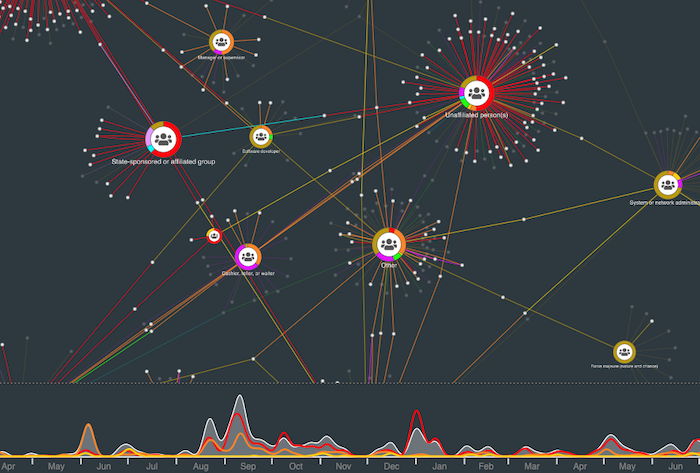
See IVT ClearlyWhy IVT Is Hard to Prove
Ad platforms optimize for scale—not forensic transparency. Most IVT disputes fail because advertisers cannot produce verifiable, event-level evidence.
Without raw logs showing IPs, timestamps, fingerprints, and execution behavior, IVT claims are reduced to opinions instead of facts.
If you can’t document it, you can’t dispute it.
Start documenting your traffic
AdGuardian captures the technical signals required to identify, classify, and prove invalid traffic— including exports designed for audits and ad disputes.
Create Your Account